


In a first of its kind move, the International Criminal Court (ICC) issued arrest warrants for Israeli Prime Minister Benjamin Netanyahu, Defense Minister Yoav Gallant, and Hamas military chief Mohammed Deif, alleging war crimes and crimes against humanity in Gaza.
The Netherlands-based International Criminal Court found compelling evidence that Netanyahu is criminally responsible for war crimes, specifically alleging he deliberately used starvation as a warfare tactic and committed crimes against humanity including murder, persecution, and other inhumane acts.
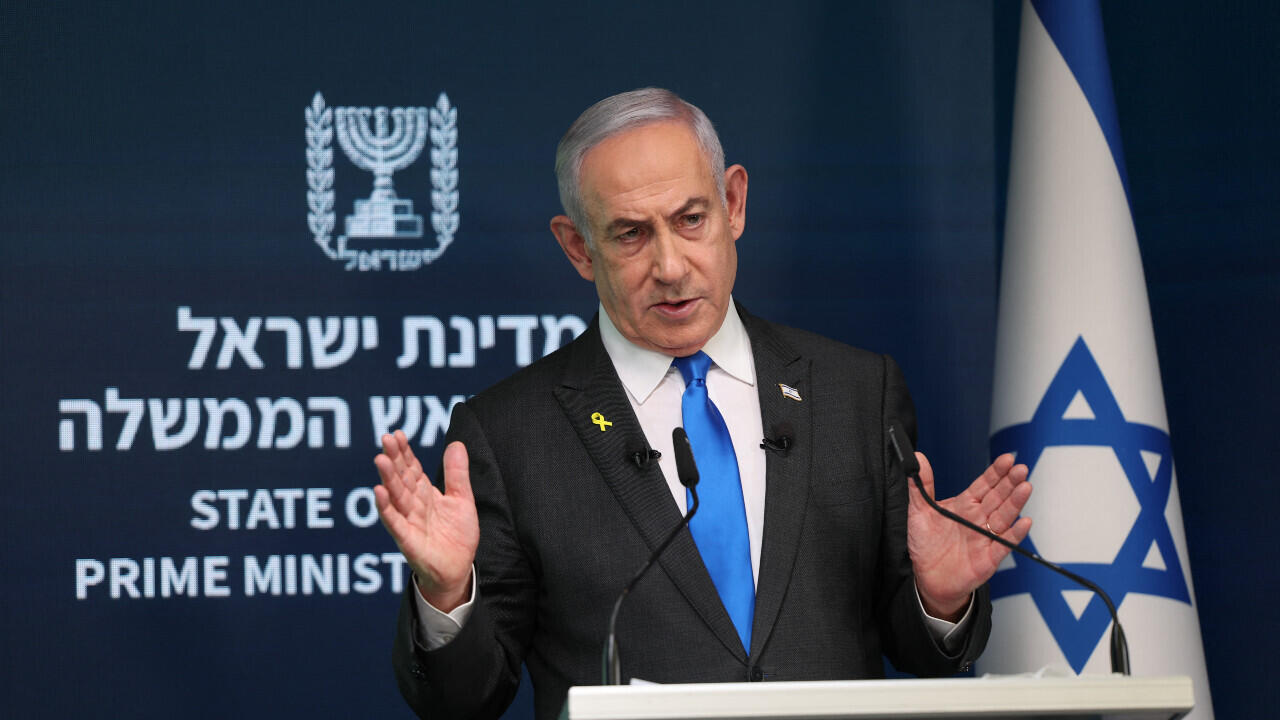
This action marks a first, in that no Israeli leader has ever been charged for actions against Palestnians during the course of this 76 year conflict and adds Prime Minister Netanyahu to a very short list of sitting leaders to be charged with Crimes Against Humanity including Vladamir Putin of Russia and Libya’s then leader, Col. Muammar El-Qaddafi.
Prime Minister Netanyahu’s office released a statement shortly after the warrant went public saying “Israel utterly rejects the absurd and false actions and accusations against it by the International Criminal Court, which is a politically biased and discriminatory body.” They went on to add that they were justified in their actions given the attack Hamas initiated that was “the largest massacre against the Jewish people since the Holocaust.”
Though Israel and the United States are not ICC members and reject its jurisdiction, the court claims authority over territories Israel occupies, including Gaza, East Jerusalem, and the West Bank. This claim is based on the Palestinian leadership’s 2015 formal agreement to be bound by the court’s founding principles.
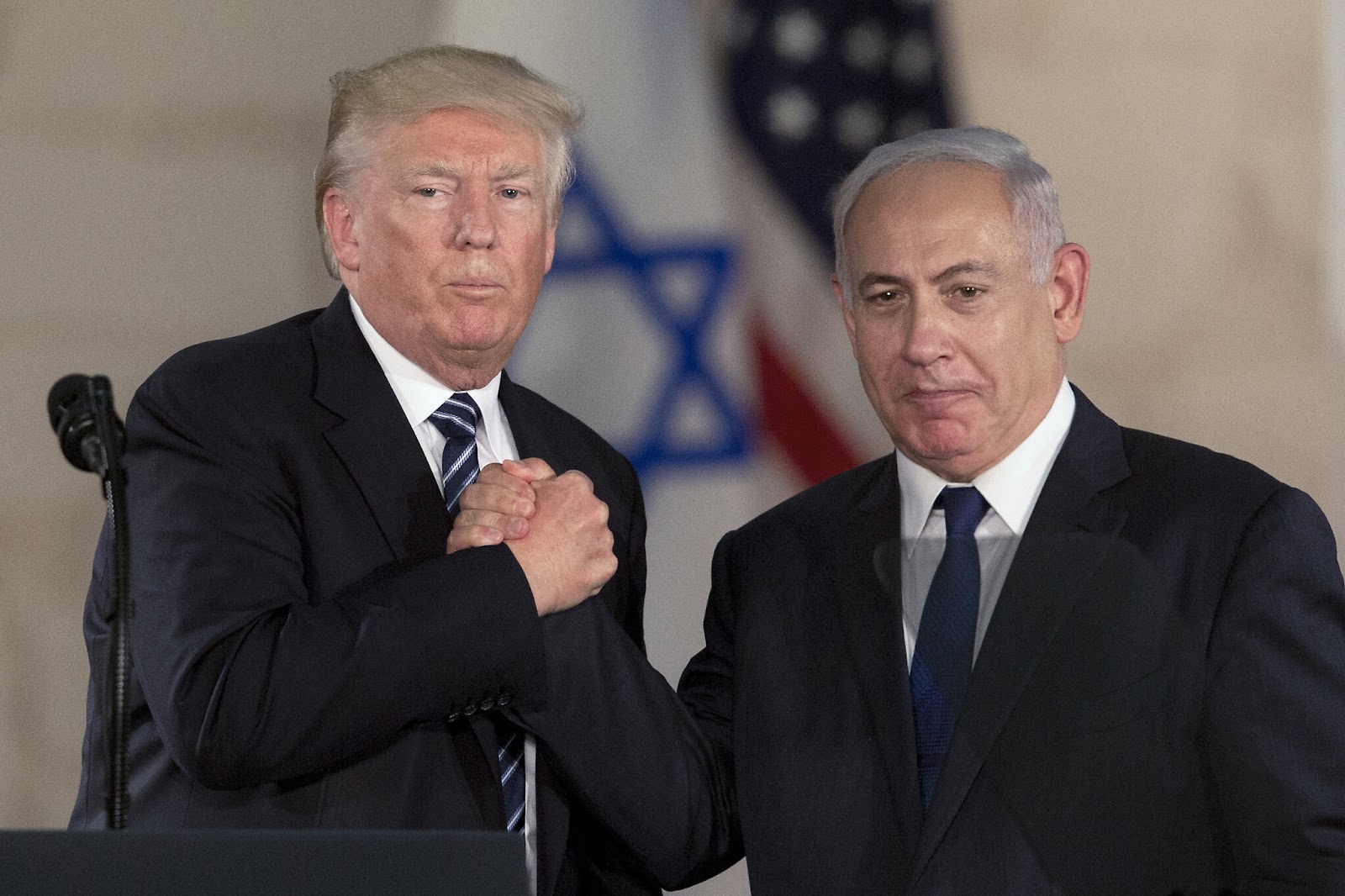
The warrants could significantly complicate U.S. foreign policy and diplomatic relations. The Biden administration has already strongly opposed the ICC’s decision, with the National Security Council stating they “fundamentally reject” the court’s action. This stance reflects potential diplomatic tensions and could strain relationships with international allies who might support the ICC’s investigation.
For the United States, the ICC’s decision presents several critical challenges:
1. Diplomatic Fallout: The U.S. may need to navigate increased international criticism of its support for Israel while simultaneously defending its position of rejecting the ICC’s jurisdiction.
2. Legislative Response: Conservative lawmakers like Rep. Mike Waltz have already signaled potential retaliatory actions, suggesting potential congressional measures against the ICC.
3. Strategic Middle East Relationships: The warrants could further complicate U.S. efforts to broker peace and maintain strategic alliances in the region, potentially undermining ongoing diplomatic initiatives.
4. Potential Sanctions: There’s a possibility of U.S. legislation targeting the ICC, similar to previous actions taken to protect U.S. and Israeli personnel from international criminal proceedings.
President Biden has already characterized the ICC’s move as “outrageous,” indicating the administration’s intent to robustly defend Israel against these charges and maintain its current diplomatic approach to the Israel-Hamas conflict. Conversely President-Eect Trump and his administration have been largely silent on the issue; though Arab diplomats have speculated that Prime Minister Netanyahu has stalled ceasefire negotiations in hopes that President-Elect Trump will propose better terms.
