


Overview:
Texas is set to introduce three significant educational changes in 2025. Governor Greg Abbott's proposed school voucher bill, Senate Bill 2, aims to allocate $10,000 for private schools or other approved educational expenses. However, opponents argue that it will drain funding from public schools and not hold private schools to the same accountability standards. Additionally, a bible-based curriculum for elementary school students will be introduced, with an additional $60 per student for districts that opt-in. Lastly, the elimination of Diversity, Equity, and Inclusion (DEI) departments and trainings in institutions of higher education has been prohibited, causing concerns about the impact on equity and inclusivity in higher education.
New year. New President. New Developments. In an era when inflammatory news reports and clickbait articles lure people down infinite rabbit holes, it’s increasingly necessary for us to be informed on the issues that matter in education and focus on how they unfold this year.
Without further ado, let’s get into the big three we’re watching as 2025 begins.
School Vouchers and Public School Funding
After throwing his endorsement behind 15 pro-voucher candidates during the March primary elections, and securing seats for 11 of them, Governor Greg Abbott is feeling confident about the Legislature passing the recently revealed school voucher bill, Senate Bill (SB) 2 in 2025. This bill proposes to allocate $10,000.00 Education Savings Accounts (ESA) per student per school year to be utilized for private schools or other approved educational expenses. State Sen. Brandon Creighton, both sponsor of the bill and chair of the Senate Education Committee, cleared the first step towards getting the bill passed Tuesday, January 28th, in the Texas State Senate.
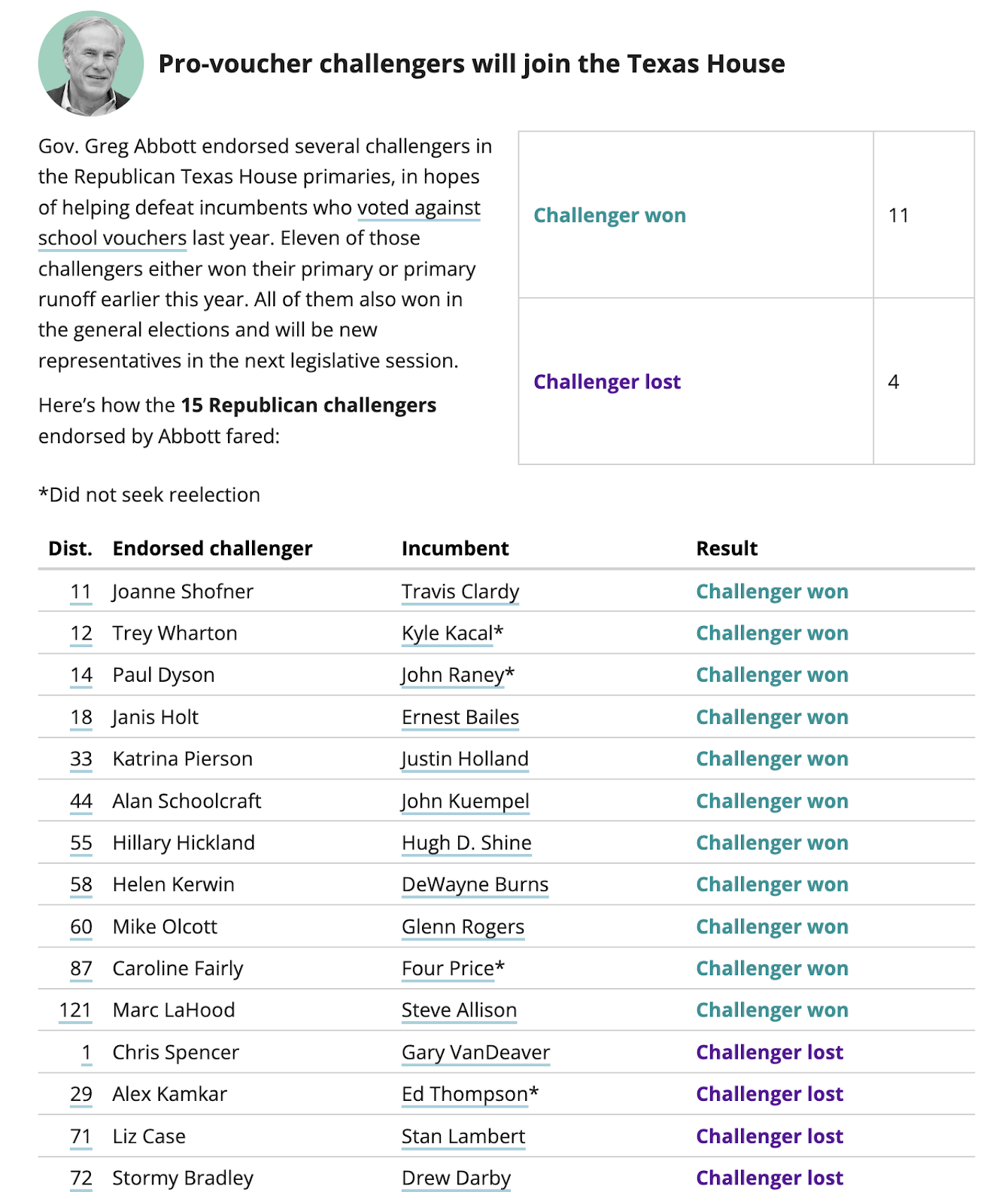
Although this issue has been one of the most divisive in recent Texas politics, Abbott has been working to reassure Texans that it is very possible to provide school choice to parents while expanding public school funding in tandem. According to him, “We can have the best public schools in America and also have school choice at the very same time. It does not have to be one or the other, and it’s wrong to pit one against the other.” This move would allocate $1 billion to the ESA accounts over the next two years, a $500 million increase from the previous bill proposed in 2023.
Opponents of the bill, on the other hand, express concern about draining funding from public schools that are already underfunded, while simultaneously not holding the private schools to the same accountability standards as the public schools. When it comes to providing parents with choices in public schools, many opponents point to how many options public schools currently provide, and how many more could be created by receiving the billions of dollars that will now be used to bolster private schools.
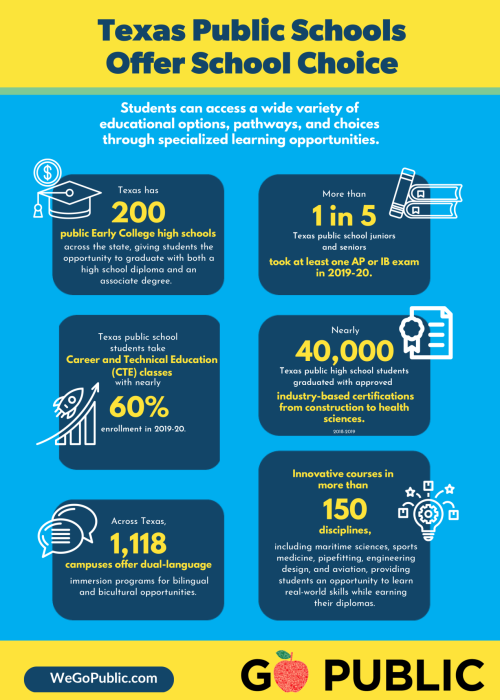
In 2025, it will be important for Texas families to follow and be watchful of how the funding begins to be implemented across the state. We will all be tracking how this plays out in Texas, considering how such bills have fared in other states like: Arizona, Indiana, and Wisconsin and who benefits, as it all unfolds.
Bible-based School Curriculum
In August 2025, school districts will be able to adopt a bible-infused curriculum for elementary school students. While the adoption of this curriculum is optional, districts that opt-in will receive an additional $60 per student. While many supporters of this curriculum cite the importance of students’ learning how to read and analyze historical text, opponents point out the overemphasizing of Christian texts at the exclusion of the other religious texts that may also be referenced for historical context.
In an interview with CNN, Mark Chancey, a professor of religious studies at Southern Methodist University, considers the curricular choices “fundamentally flawed.” As the lessons “still clearly privilege Christianity over other traditions” and “make numerous claims that are erroneous, made up, or just plain strange.” A sentiment expressed by many of the citizens who showed up to testify against the bible-based curriculum.
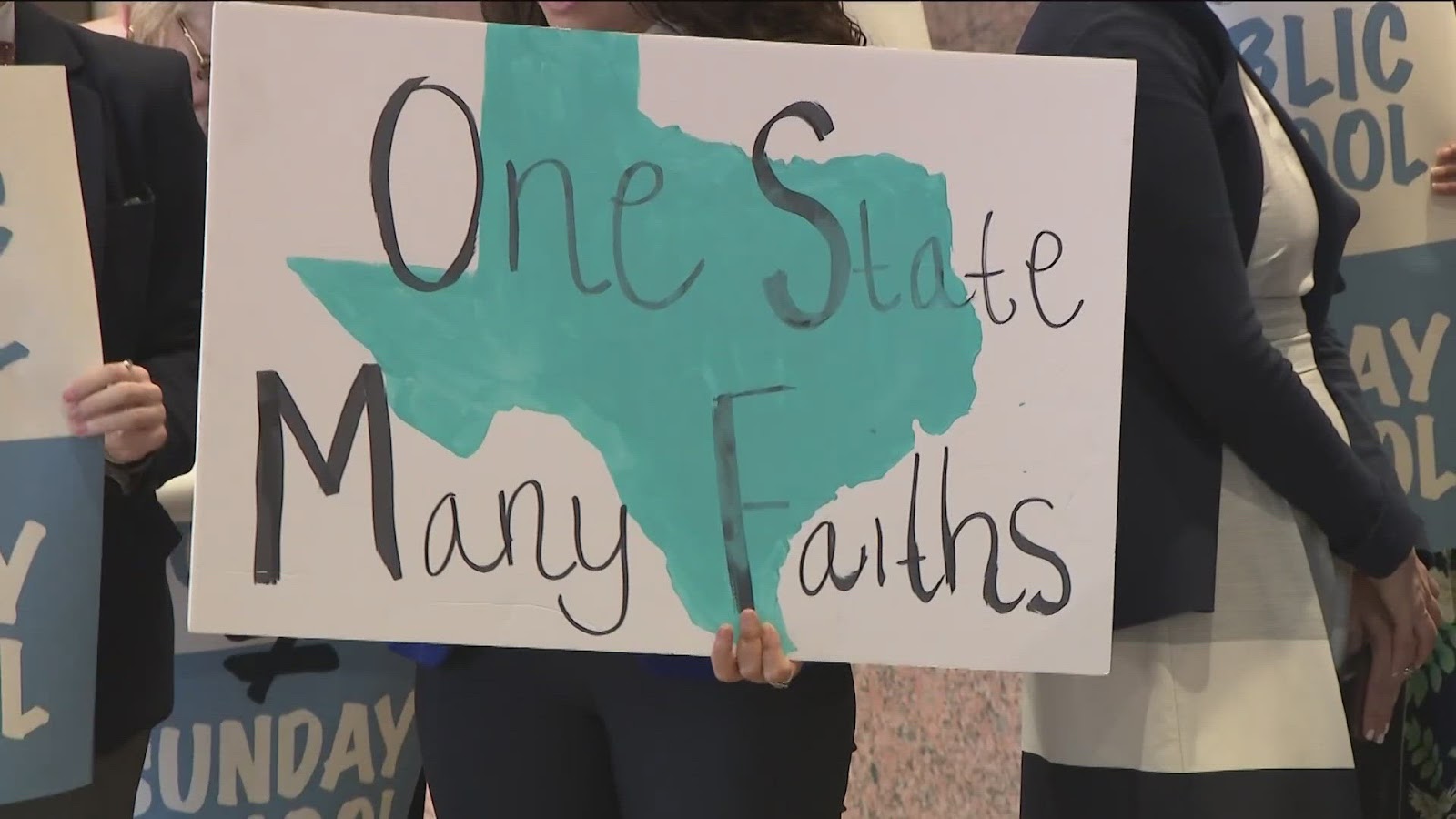
As 2025 progresses, it will be necessary to watch how local school districts and teachers adopt and implement this curriculum in classrooms. While some teachers may use their discretion to acknowledge the religious backgrounds of the actual students in their classrooms and supplement the curriculum to make personal connections and foster an environment of inclusivity, some may not. Additionally, many are also concerned about potential legal challenges by families of public school students, similar to those found in other states, when religious curriculums were perceived as violating the separation of church and state.
Elimination of DEI Offices
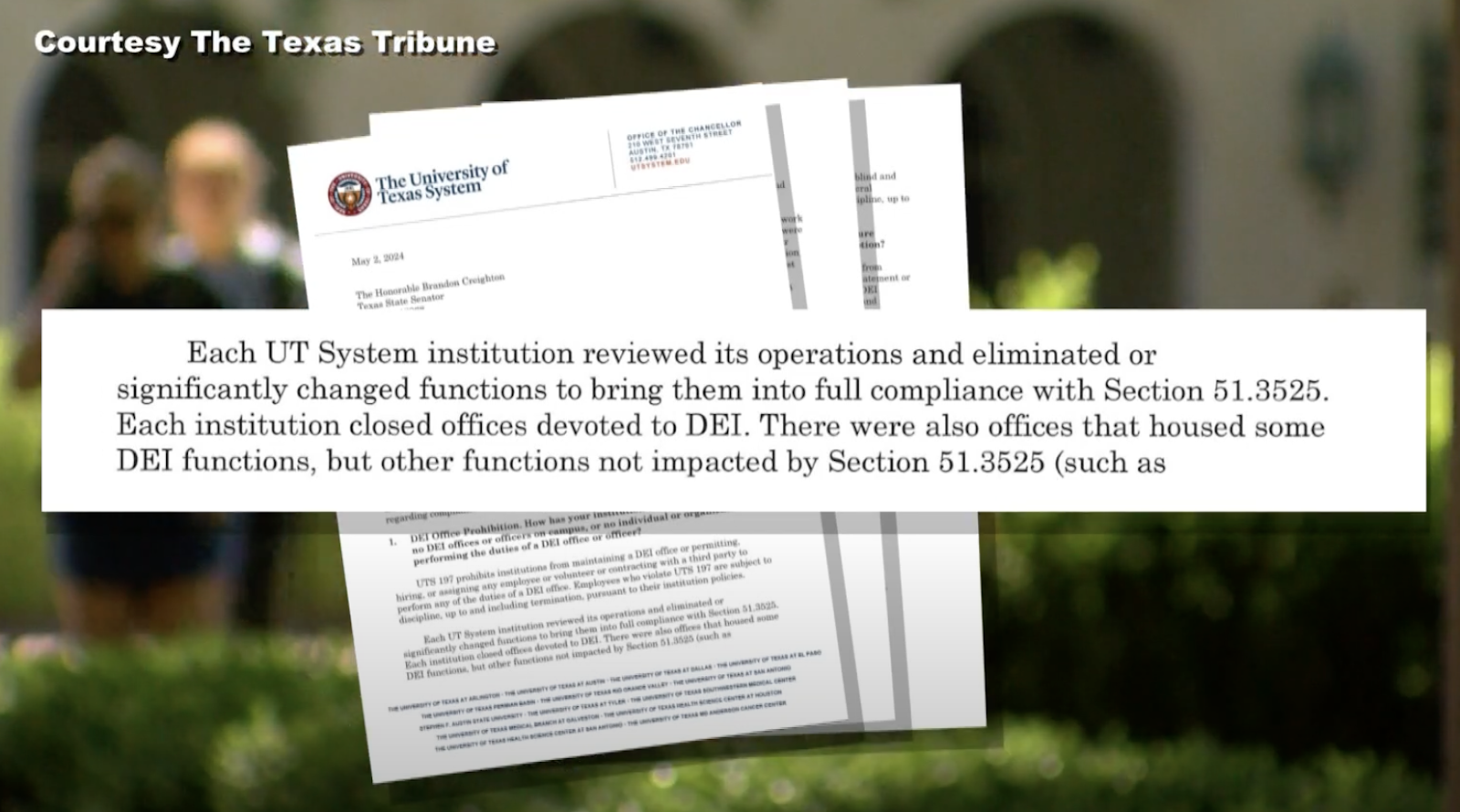
As we focus much of our discourse in education on the K-12 landscape, it is also important to keep up with issues impacting Higher Education. In 2023, with the passing of Senate Bill 17 (SB 17), institutions of higher education were prohibited from maintaining Diversity, Equity, and Inclusion (DEI) departments and trainings. Although opposing representatives tried to warn their colleagues of the massive setbacks the bill would cause in ensuring equity in higher education, Senator Sen. Brandon Creighton (whose name was cited earlier as the author of the school voucher bill) not only proposed the bill but also required university systems to report what changes they were making to swiftly implement the bill on their campuses.
One unfortunate example can be seen by the University of Texas at Austin where 60 DEI employees were laid off. Similar actions were taken by other universities in the UT System and across the state, as colleges and universities worked overtime to get in compliance with the new law.
While Texas, a red state, was on the front lines of attacking DEI efforts in 2023, one of Donald Trump’s first matters of business in office was to leverage his executive power to eliminate dozens of DEI jobs, for example, the Department of Veterans Affairs placed nearly 60 employees on leave, and the Department of Education canceled $2.6 million in DEI-related contracts, propelling the anti-DEI efforts to the national level. Even the private sector has caved to the political pressure of the anti-DEI climate, as major corporations like Meta, WalMart, McDonalds, and now Target cave on upholding their commitment to DEI efforts made largely popular during the great awakening of 2020.
Although a look at the federal offices and the private sector may seem to be off-topic when discussing educational topics to watch in 2025, it’s of utmost importance when it comes to the one thing that always turns the tide in America, and is at the core of all of these changes: Money. The truth is that when it comes to DEI and institutional commitments, cash is still king. Analytics of the money showed companies, the same thing it showed universities: You can roll back your DEI commitments and it will not impact your bottom line. People will still shop at your stores and students will still pay tuition at your colleges. In a world where people express their outrage on social media, and continue to underestimate their economic buying power, we see money still makes the world go ‘round.
From school vouchers, to bible-based curriculums, and assaults on DEI, 2025 will be a time to stay mindful of how the purse strings in education continue to drive the decision-making of legislatures, and how students in schools will be impacted as a result. As we navigate both new initiatives and societal regressions in tandem, it will be necessary to watch what the numbers tell us about the impact of these changes. For example, it’s still early to see what the impact of SB 17 will be on educational institutions in Texas, but the Texas Higher Education Coordinating Board is committed to studying what the impact of such changes will be on the outcomes of students over time. It’s important that we stay mindful of how all of these new laws impact students and ensure the best possible advocacy from the ground and in the field, as the year unfolds.

