


Overview:
Braids have been a part of Black culture for thousands of years, serving as a form of self-expression, protection, and a way to show off creativity. However, the cost of getting braids has significantly increased over the past decade, making it a financial commitment for many Black women. Braiders determine their pricing structures based on time, skill, and product costs, and some stylists charge upwards of $500 for a full set of braids. The rising prices of braiding services have led to mixed reactions, with some clients feeling burdened by the extra costs and others appreciating the luxury experience. Additionally, braiding is a traditional technique within Black culture, often passed down through generations rather than learned in formal institutions.
By ReShonda Tate
For many Black women, braids are more than just a hairstyle—they are a cultural tradition, a form of self-expression, and protection. Braids have deep historical roots, dating back thousands of years to African civilizations, where different styles signified tribal affiliation, marital status and social standing. Today, braids carry cultural significance while also serving as a practical hair care solution. But anyone
Why Black Women Get Braids
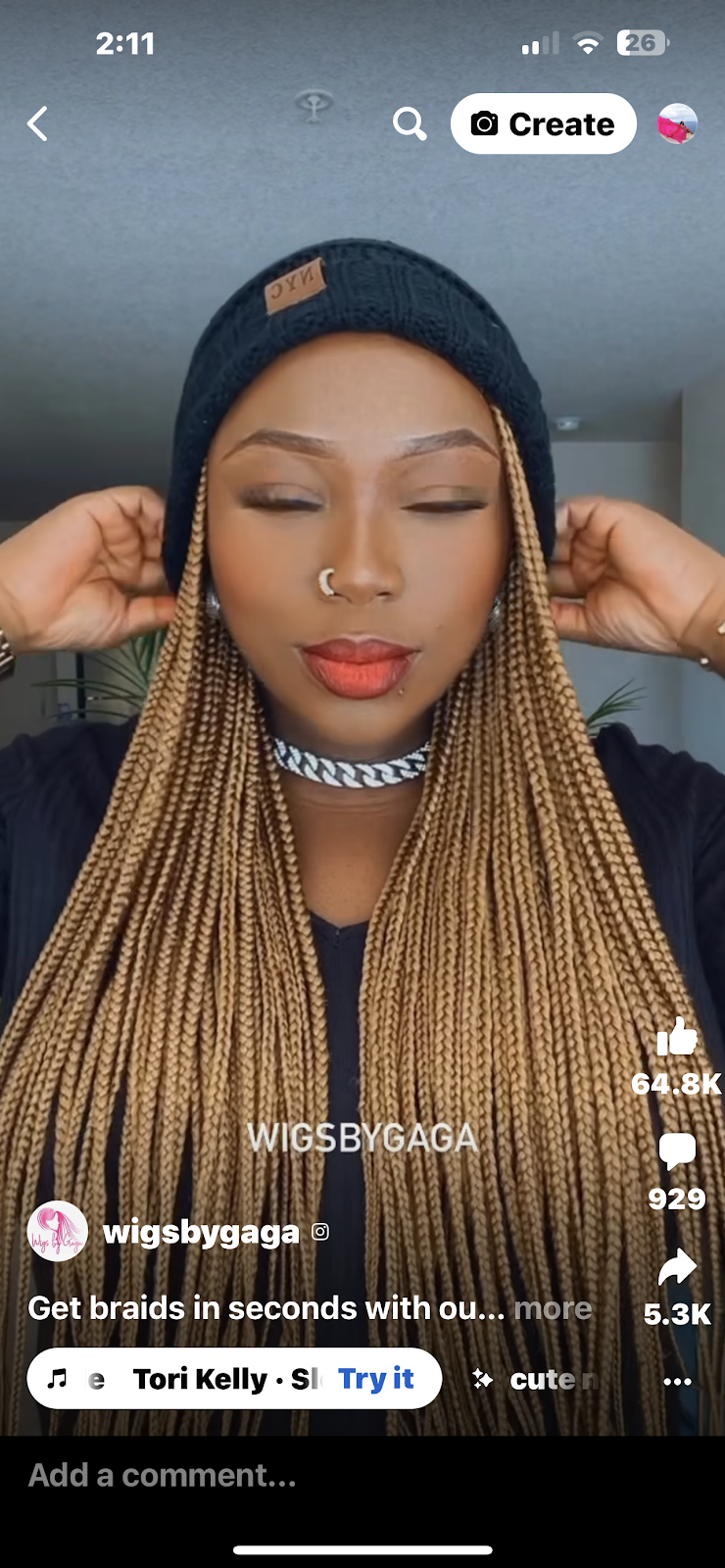
Braiding offers a protective style that shields natural hair from daily manipulation, breakage, and harsh environmental conditions. Many women opt for braids to promote hair growth, maintain moisture,e and reduce the need for excessive styling. Unlike chemically treated or heat-styled hair, braids require minimal upkeep, making them an ideal choice for those with busy lifestyles.
Beyond practicality, braids allow Black women to showcase their creativity and individuality. From intricate cornrows to waist-length box braids, the versatility of braided hairstyles enables women to experiment with different looks without permanently altering their natural hair texture. The resurgence of styles like Fulani braids, knotless braids, and jumbo twists reflects a growing appreciation for ancestral beauty practices.
However, the decision to get braids is not solely aesthetic. For many, the braiding experience is deeply personal and communal. Sitting in a stylist’s chair for hours, or even getting braids done by family members fosters a sense of connection and tradition. Conversations shared during braiding sessions often turn into moments of bonding, laughter, and storytelling, reinforcing the role of hair in Black culture.
Braids also serve as a symbol of resilience and empowerment. In professional and social settings where natural Black hair has historically been scrutinized, braided styles offer a way to embrace one’s identity with confidence. The natural-hair movement has encouraged more Black women to wear braids unapologetically, reclaiming their beauty and heritage in spaces where Eurocentric beauty standards have long dominated.
Dr. Oyetewa Oyerinde of the Baylor Dermatology Department says braids can damage hair if not taken care of properly. She adds that, contrary to popular belief, braids don’t grow hair.
“No style (braids included) causes your hair to grow more or less. However, braids can help retain length by minimizing breakage and manipulation,” she said. “People feel that braids ‘grow their hair’ because they can clearly see the new growth at the roots when they leave their hair in one style over time. However, once the braids are taken down, some people notice that their hair seems to be the same length that it was before the style was placed, even though they saw new growth. This is due to hair breakage while in the style (from tension, dryness, or the physical rubbing of synthetic fibers against their hair) or breakage during the takedown process. Proper care while wearing braids can create an environment conducive to hair growth and length retention by protecting your hair and reducing daily wear and tear.”
The Economics of Black Hair Care
It’s no secret that Black folks spend a lot of money on hair. According to Mintel, the Black hair care industry is worth more than $2.5 billion—a stat that doesn’t include hair accessories, wigs, or electric styling products. Social media has become one of the best places for stylists to showcase their work and the first place many customers search for the perfect person to hook up their hair. But as the culture changes, clients are complaining about the industry changing with it—including booking rules that charge extra for styling certain hair types (think: a 4C surcharge) and an expectation to wash, detangle, and straighten their hair before stepping into the salon.
How Prices Have Changed
The cost of getting braids has significantly increased over the past decade. What was once an affordable protective style has now become a financial commitment for many Black women.
“In 2014, a full set of box braids could cost me around $120,” said LaWonda Smith, who only wears braids. “But today, prices often start at $300 and can go as high as $500, depending on the style and location.”
Micro braids, once available for $150-$200, now range between $400-$600. The introduction of knotless braids, a more seamless and tension-free alternative, has also contributed to price increases, with some stylists charging upwards of $350.
Why the Price Hike?
Several factors have played a role in the rising cost of braiding services:
- Inflation: The general rise in the cost of living has affected hair braiders, from rent to supply costs.
- Skill Level & Demand: More stylists are mastering intricate, time-consuming styles that justify higher pricing.
- Product Costs: Braiding hair, gels, and finishing products have increased in price, with some synthetic hair brands doubling in cost.
- Time Commitment: Many styles take six or more hours to complete, with some reaching 10-12 hours.
- Social Media Influence: Celebrities and influencers showcasing specific braided styles have driven up demand, leading to price surges.
Braiders determine their pricing structures based on time, skill, and product costs. Kristen Duggins, a braider who says she stays booked and busy, explains, “When I started, I charged $100 for a basic style, but now I charge $350 because my technique has evolved, and I provide a luxury experience. Not to mention the fact that what I do is art, and I don’t argue with people. If you don’t agree, it’s okay for you to go somewhere else.”
Duggins, who operates through word of mouth, notes the unpredictability of pricing complaints.
“Some clients think braiding should be as cheap as it was years ago, but they don’t realize that we’re doing more work and investing more in supplies,” she said. “Prices for gel, shampoo, chemicals, even rubber bands have increased. Yet, people think our prices shouldn’t go up.”
Additionally, overhead costs play a role. Home-based braiders have fewer expenses than salon space renting, contributing to varied pricing structures. The cost of braiding supplies, including hair, gels, mousse, and accessories, continues to climb, making affordability a challenge even for stylists.
She also acknowledges the reality of pricing dynamics:
“Braids cost so much because everybody needs their hair done, and braiders can raise their supply and demand as they wish, and they know that people will still pay for it regardless.”
The question of whether current prices are justified sparks heated discussions online. Some feel that braiders overcharge, while others recognize the craftsmanship and hours invested. The introduction of deposit fees and strict no-show policies have led to mixed reactions—some clients appreciate the structure, while others feel burdened by the extra costs.
Additionally, rising prices impact accessibility to protective styles. Braids, traditionally a go-to option for low-maintenance hair care, are becoming less affordable, forcing many to either learn how to braid their hair or seek lower-priced alternatives.
Licensing & Regulations in the Braiding Industry
According to Jessica Poitras, legislative counsel for the Institute of Justice, hair braiders are subjected to unfair licensing requirements and penalties for braiding without one.
“In Texas, your first offense for working without a license could be up to $500,” she said. “And then as those rise, the highest amount they could charge you is $2500. Or you could be charged with a misdemeanor and face prison time up to six months.”
If they want to operate legally, a braider must have a certain number of training hours, pass exams, and could end up paying tuition as high as $15,000. As a result, many braiders operate in an underground economy, forced to choose between working illegally or passing the costs of formal training on to consumers.
Poitras emphasizes that braiding is a traditional technique within Black culture, often passed down through generations rather than learned in formal institutions.
“Unlicensed does not mean untrained,” she explains. “We want our braiders to be trained. We just want you to get that education in a way that benefits you and your consumers.”
Many opt to go to YouTube to learn how to do their hair themselves.
“Remember, you get what you pay for,” Duggins said. “I don’t think anybody should try and braid their own hair just because it’s an art and it takes a lot of time and dedication, and if you want it done right, I think you should go to a professional.”
The post The Braid Debate: The Rising Costs of Hair Braiding appeared first on Word In Black.
The post {{post title}}, https://wordinblack.com/2025/03/the-braid-debate-the-rising-costs-of-hair-braiding/ appeared first on Word in Black.